Content Disclaimer: This article contains speculative theories presented for entertainment. Readers are encouraged to form their own conclusions.
Thomas Anderson lived two lives.
By day, he was a programmer at a respectable software company. Cubicle. Deadlines. The illusion of normalcy.
By night, he was Neo. A hacker. Searching for something he could not name.
The film opens with him asleep at his computer. This is not accidental. Sleep is the natural state of humanity in the Matrix. Unconscious. Unaware. Enslaved.
But Neo was different. He felt it. That splinter in his mind. The wrongness of the world.
His screen displayed news reports about Morpheus. A dangerous terrorist. A criminal. At least, that is what the system said.
But Neo did not believe the system. He had been searching. And he believed Morpheus held the answers.
This is the first stage of the Hero's Journey. The Ordinary World. The protagonist exists in a state of normalcy. But something is missing. A void. An itch that cannot be scratched.
Neo's life was a cage. And he knew it.
The camera pulls back. A top-down shot. Neo, alone in his apartment. Surrounded by monitors. Cables. The detritus of a digital existence.
This framing is deliberate. It places the viewer as an external observer. Looking down at Neo. Watching him. Just as the Matrix watches him.
He is isolated. Trapped in a small, controlled space. A single node in a vast network.
The top-down perspective also suggests control. Something is above him. Observing. Manipulating. The architecture of the shot mirrors the architecture of the Matrix itself.
Neo does not yet understand this. But the audience sees it. The system has him.
On his desk: a desktop computer. The technology of the late 1990s. Bulky. CRT monitor. Diskettes. CDs. The tools of a hacker in that era.
No speakers. Only headphones. Isolation. Disconnection from the world.
The room is cluttered. Chaotic. A mind searching for order in a disordered reality.
This is Neo's prison. And he does not yet know he is a prisoner.
Then, the message appears.
Wake up, Neo.
The Call to Adventure has arrived.
The white rabbit follows. A tattoo on a stranger's arm. Neo hesitates. This is the Refusal of the Call. Should he follow? Should he stay?
He chooses to go.
At the club, he meets Trinity. She tells him she can take him to Morpheus.
The next day, Neo is late for work. His boss reprimands him. The ordinary world reasserts itself. Trying to pull him back.
But the call cannot be ignored.
A package arrives. A phone inside.
Morpheus is on the line. He tells Neo he is being watched. That agents are coming for him.
Neo does not follow instructions. He is caught.
The interrogation room. Mirrors. Reflections. Screens within screens.
The film has been showing us this all along. Neo is observed. Reflected. Watched from every angle.
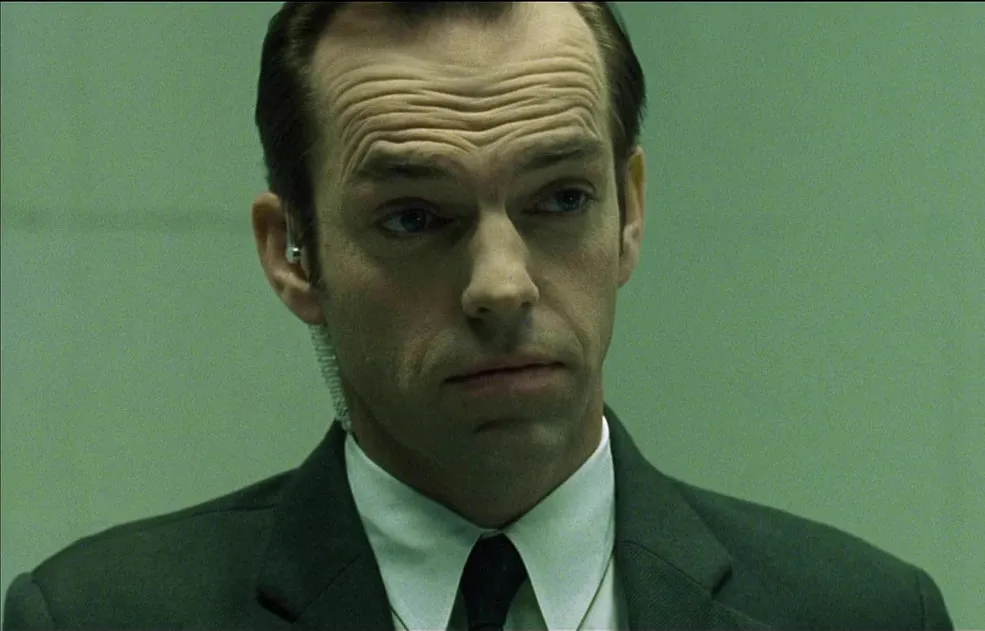
Agent Smith offers him a deal. Work with us. Give us Morpheus. We will erase your record.
Neo refuses.
Then, the bug. A mechanical insect. Inserted into his body.
Reality fractures. The audience does not yet know what is real. Neither does Neo.
He wakes up in his bed. Was it a dream?
No. The scar remains.
This is the moment Neo realizes: the world is not what it seems.
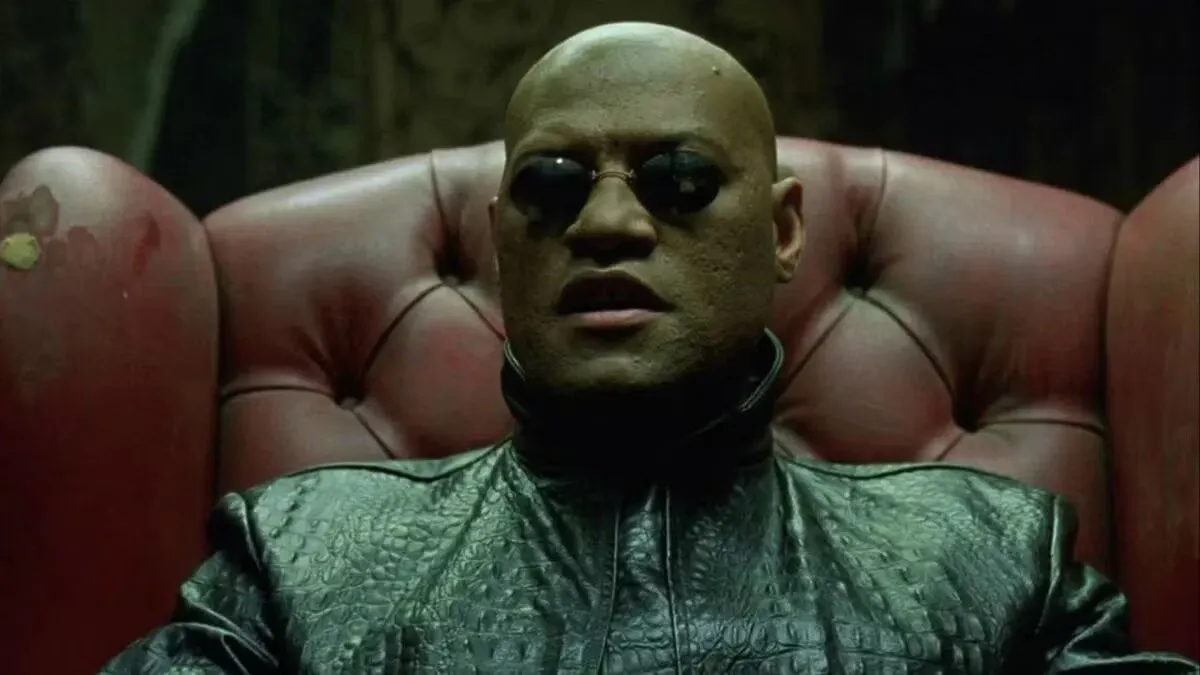
The Meeting with the Mentor follows. Morpheus. The man who will show him the truth.
Morpheus offers him a choice. The red pill. Or the blue pill.
This is the First Threshold. The point of no return.
Neo takes the red pill.
And his ordinary world ends.
He wakes in a pod. Surrounded by millions of others. Human beings, harvested for energy. The machine fields.
This is the truth. Humanity is enslaved. And Neo is part of the system.
But now, he is awake.
The Departure is complete. The journey has begun.
Related Articles