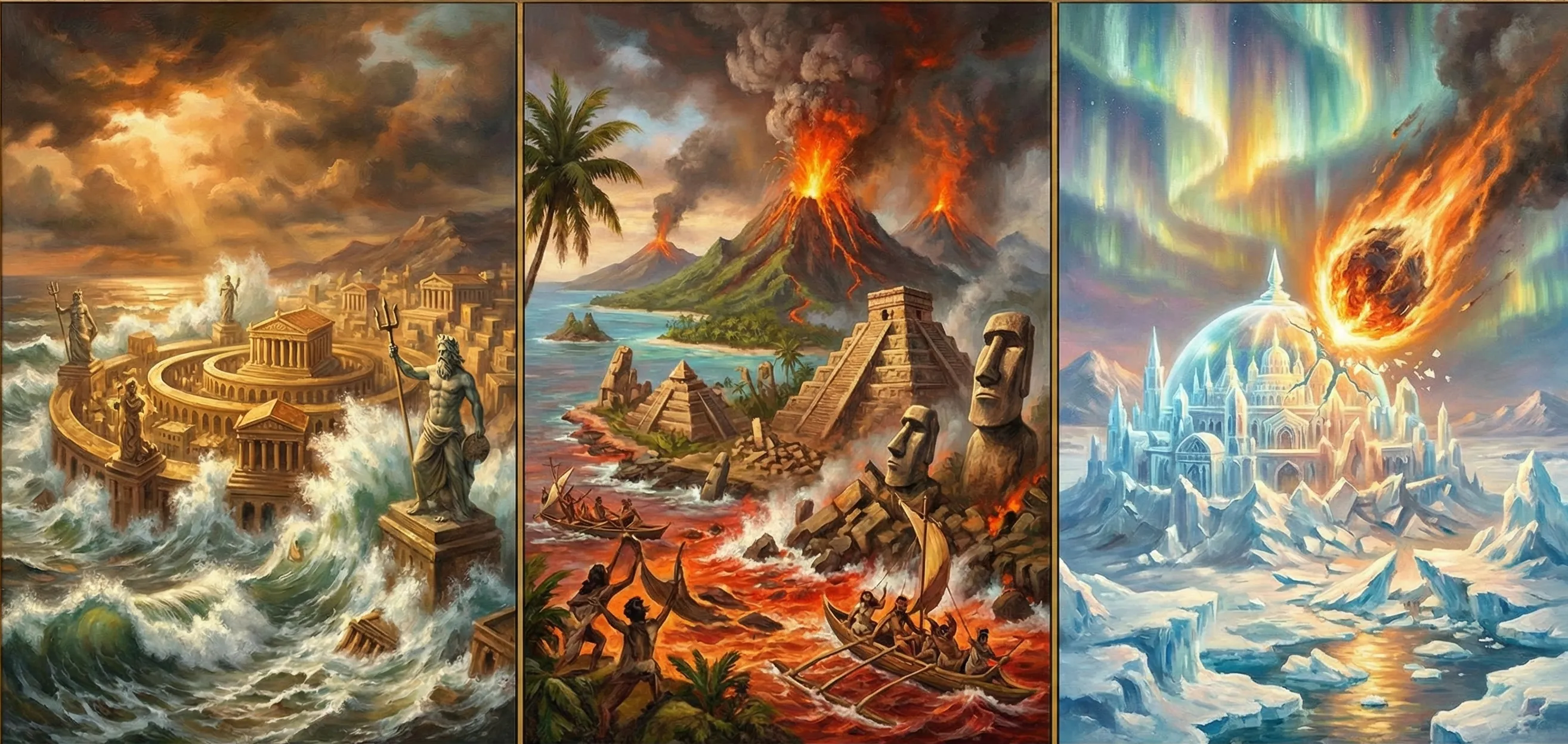
Content Disclaimer: This article contains speculative theories presented for entertainment. Readers are encouraged to form their own conclusions.
Every ancient culture remembers paradise. A golden age before the fall. A time when humanity lived in harmony with powers we no longer understand.
Three names echo through these memories. Atlantis. Mu. Hyperborea.
Atlantis is the most famous. Plato introduced it to Western thought around 360 BCE, but he insisted the story was far older. Egyptian priests had preserved the account for nine thousand years before sharing it with the Greek statesman Solon.
According to these records, Atlantis was an island empire beyond the Pillars of Hercules. Its capital featured concentric rings of water and land, connected by bridges and tunnels. The Atlanteans built temples covered in silver and gold. They possessed technology we can barely imagine. They commanded fleets that conquered parts of Africa and Europe.
Then hubris consumed them.
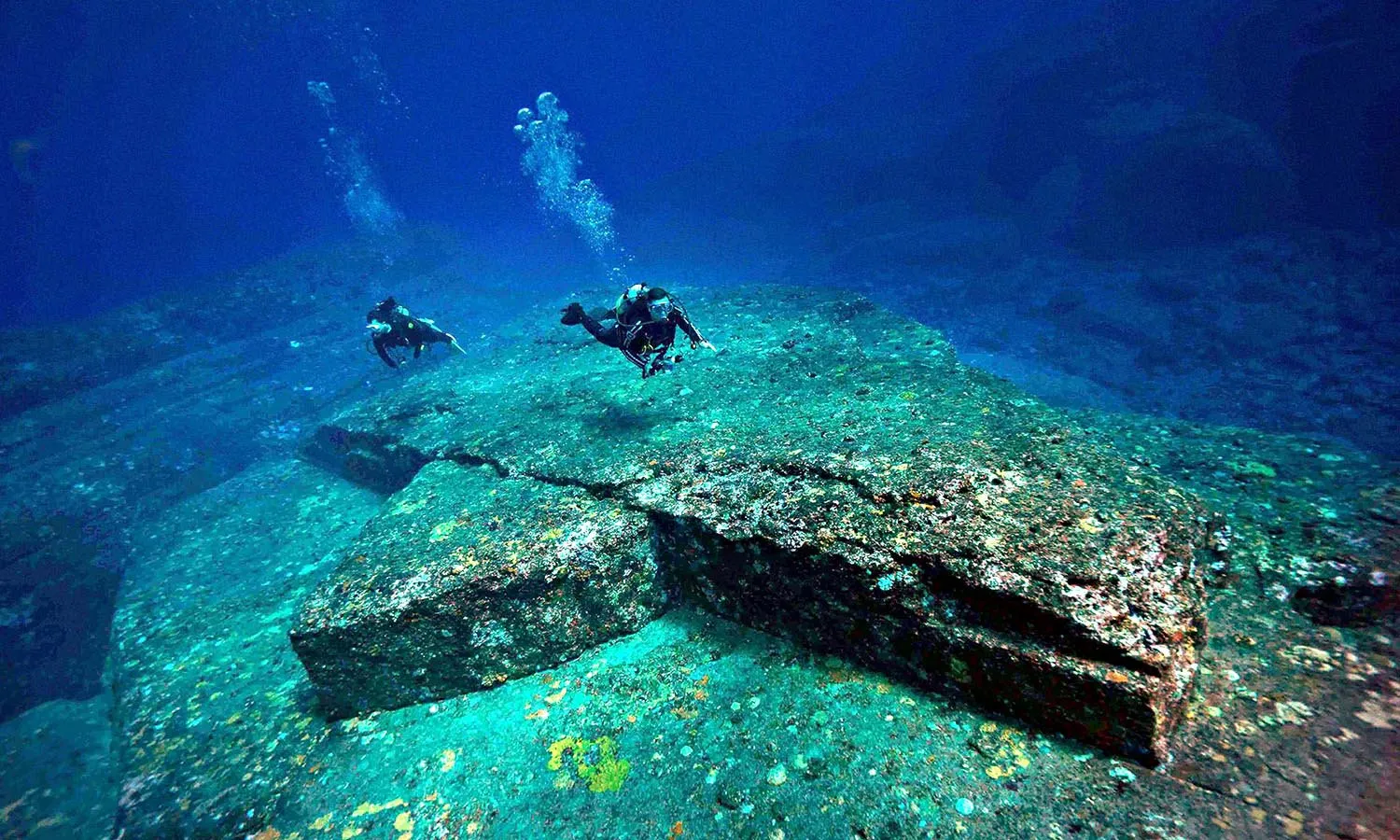
In a single day and night, earthquakes and floods swallowed the island. It sank beneath the Atlantic waves. Only the Egyptians remembered.
Mu emerged from different traditions. Nineteenth century scientists coined the name Lemuria to explain lemur fossils scattered across the Indian Ocean. But Pacific islanders had spoken of a lost motherland for millennia.
The Hawaiians called it Hiva. Easter Islanders knew it as Marae Renga. Tamil traditions in India preserved memories of Kumari Kandam, a great southern continent that once connected their land to distant shores.
Colonel James Churchward claimed to have decoded ancient tablets describing Mu as a vast Pacific civilization. Sixty four million people. Advanced beyond our comprehension. Destroyed by volcanic cataclysm twelve thousand years ago.
The survivors scattered across the ocean. They became the ancestors of every Pacific island culture. Perhaps of Egypt and Central America as well.
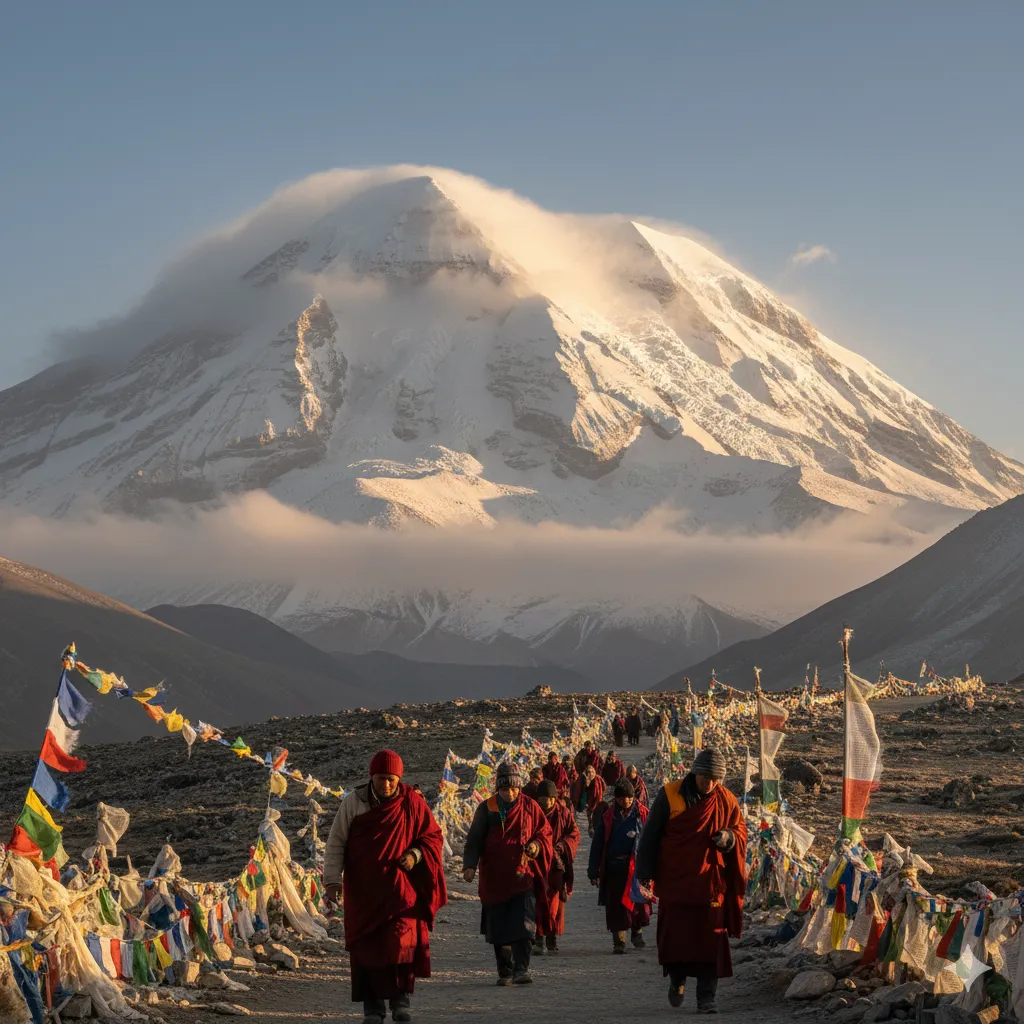
Hyperborea occupied the far north. Greek historians including Herodotus wrote of a land beyond the north wind where the sun never set. Its people lived in perpetual spring. No disease. No war. No aging.
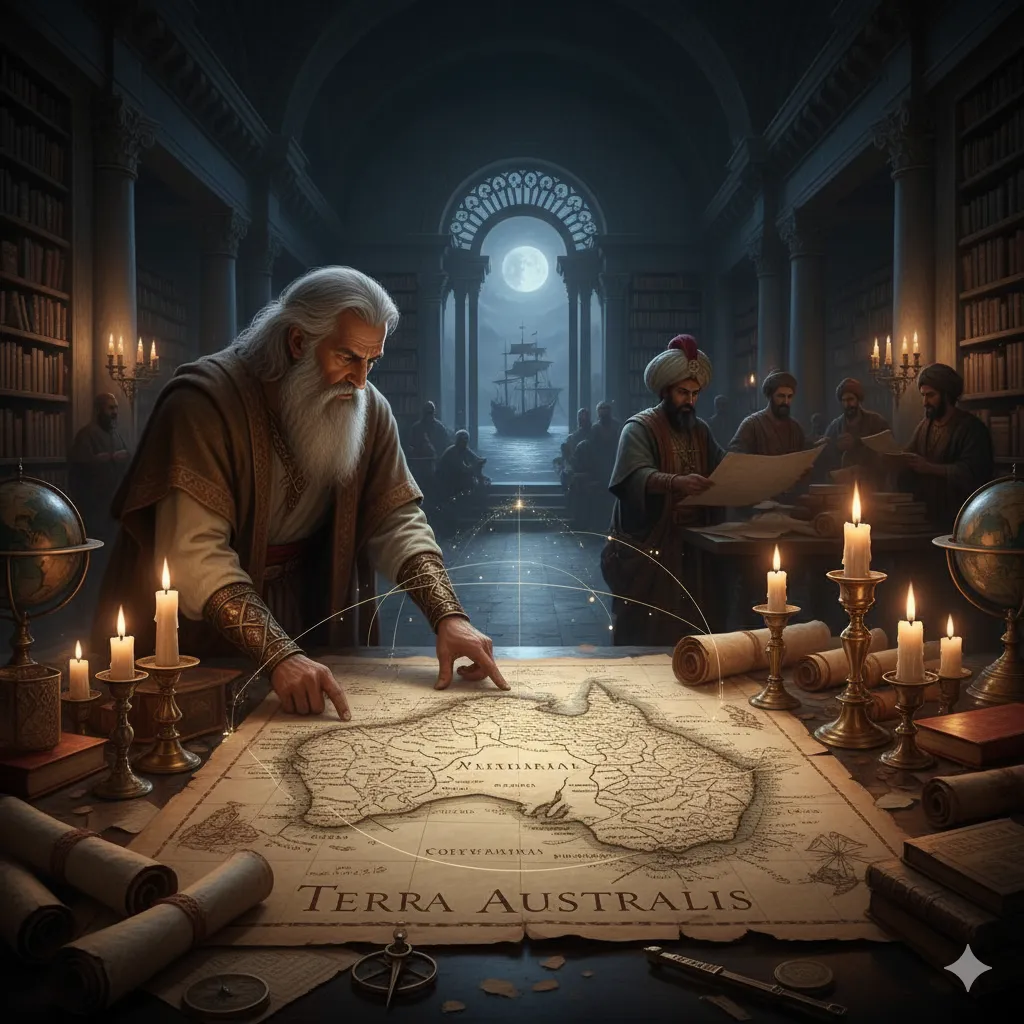
They worshipped Apollo and sent sacred offerings to his temple at Delos through a chain of northern peoples. The Romans confirmed these accounts. Medieval maps showed Hyperborea surrounding the North Pole.
Some traditions placed it in a temperate Arctic before climate shifted. Others suggested it existed in a dimension accessible only to the spiritually advanced.
Three civilizations. Three catastrophes. Three sets of survivors carrying fragments of knowledge into a darkened world.
The stories refuse to die. Perhaps because they remember something real.
Related Articles