Content Disclaimer: This article contains speculative theories presented for entertainment. Readers are encouraged to form their own conclusions.
The Sumerian tablets describe humanity's creation not as a single event, but as a series of iterations. Four attempts. Four failures. And finally, a fifth version that worked. This is not the story taught in Sunday schools. But it is older, more detailed and disturbingly consistent with evolutionary dead ends in the fossil record.
The first attempt produced beings without intelligence. They could breathe and move, but could not speak or understand. They resembled animals more than humans. The gods found them useless and abandoned the design.
The second attempt produced beings with intelligence but no ability to reproduce. They could work and learn, but their lineage ended with them. A dead-end species. The gods found this impractical and started over.
The third attempt produced beings with excessive strength but no coordination. They were giants, clumsy and destructive. They consumed resources faster than they produced value. The gods found them unstable and eliminated them.
The fourth attempt produced beings with all necessary functions, but they were uncontrollable. They refused commands. They acted independently. They challenged authority. The gods found them intolerable and destroyed them.
Only the fifth version succeeded. Balanced intelligence, reproducibility, manageable strength and sufficient obedience. This was Adapa, the prototype of modern humanity. Made not from a blank slate, but from iterations of prior failures.
The story parallels evolution eerily. Homo habilis, early tool users with limited cognitive ability. Homo erectus, intelligent but distinct from modern humans. Neanderthals, strong and cognitively advanced but ultimately replaced. Denisovans, yet another branch now extinct. Modern humans are not the first hominids. We are the survivors.
But the Sumerian account frames it as design, not selection. The gods actively created, evaluated and discarded versions. This is not natural evolution. This is iterative engineering. Prototyping until the desired product is achieved.
Mesoamerican mythology preserves the same pattern. The Popol Vuh, the creation epic of the Maya, describes four failed attempts to create humans. First, humans were made of mud. They dissolved in water. Second, they were made of wood. They were functional but soulless, and the gods destroyed them. Third, they were made of maize. But they were too perfect, rivaling the gods in knowledge. The gods reduced their intelligence. Fourth, they were made correctly: balanced, functional, aware but not threatening.
Four attempts. Four adjustments. Then success. The narrative structure is identical to the Sumerian account. Different cultures. Different hemispheres. Same pattern.
Hindu cosmology describes four yugas, world ages. Each age declines from the previous. The first, Satya Yuga, was a golden age. Humans lived for thousands of years, possessed great wisdom and existed in harmony. The second, Treta Yuga, saw decline. Lifespan shortened. Conflict emerged. The third, Dvapara Yuga, accelerated the decay. The fourth, Kali Yuga, the current age, is the age of darkness, ignorance and shortened lifespan.
This is not moral judgment. It is description of genetic degradation. Each iteration of humanity loses something. Longevity. Cognitive capacity. Spiritual connection. The pattern is regression, not progress. The first humans were superior. We are the diminished descendants.
Plato preserved a similar tradition in Greek philosophy. He described the Ages of Man: Gold, Silver, Bronze and Iron. The first age was perfect. Humans lived like gods, free from toil and suffering. Each subsequent age declined. By the Iron Age-Plato's present-humanity was violent, corrupt and short-lived. The decline was not metaphorical. It was historical memory.
The Book of Enoch describes the Watchers' corruption of humanity. Angels descended, mated with humans and produced Nephilim. These hybrids were giants with unnatural abilities. They consumed everything, turned violent and destabilized the earth. God's response was the flood. To eliminate the contaminated lineage and preserve a pure strain through Noah.
This fits the Sumerian template. The Nephilim were the fourth attempt. Hybrids with excessive strength, intelligence without restraint. They were the uncontrollable prototype. The flood was the reset. Noah represented the return to the fifth, functional version. The lineage purified, the experiment stabilized.
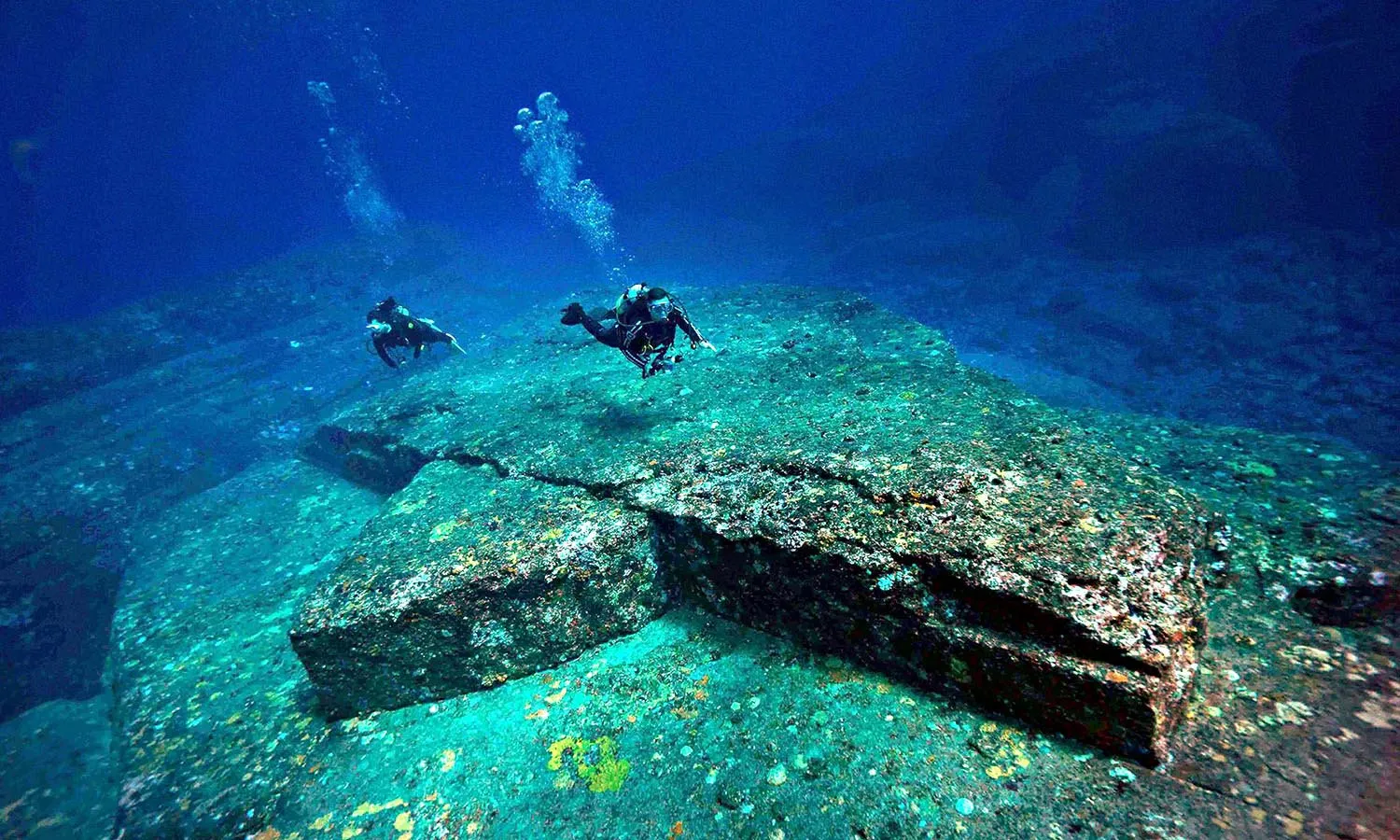
Geological evidence supports a catastrophic flood event around 10,000 BCE. The end of the last ice age caused rapid sea-level rise. Coastal civilizations were inundated. Entire regions were submerged. If advanced pre-flood societies existed, they would have been concentrated in fertile coastal zones-exactly where the flood waters struck hardest.
The Sumerian King List records eight kings who reigned before the flood, totaling 241,200 years. After the flood, kingship was "lowered again from heaven," and lifespans dropped dramatically. The first post-flood king reigned 1,200 years. His successors progressively less. By historical times, lifespans were normal human ranges.
This suggests two populations. The pre-flood kings were either mythological or genetically distinct. Long-lived, possibly hybrids, possibly the uncontrolled fourth creation. The post-flood population was reset. Normalized. The fifth creation, stabilized and propagated.
The flood narrative appears in over 200 cultures globally. Not as borrowed myth, but as independent memory. The details vary-boat, mountain, birds, divine warning-but the structure repeats. A catastrophic deluge. Few survivors. Civilization restarted. This level of consistency suggests a real event. Catastrophic. Global in impact. Memorialized in every tradition that survived.
If humanity was iteratively designed, the flood was the final quality control. Eliminate defective versions. Preserve the functional strain. Restart with purified genetics. This is brutal, but pragmatic. From a designer's perspective, a failed prototype is a liability. It consumes resources, spreads undesired traits and jeopardizes the project. The solution is elimination and restart.
Modern humanity is the fifth version. The survivors of the reset. Our short lifespans, limited cognitive capacity and susceptibility to error are not flaws. They are features. We were designed to be manageable. Intelligent enough to function. Mortal enough to remain dependent. Strong enough to work. Weak enough to control.
The four forgotten creations are not lost. They are extinct. Deliberately eliminated because they failed to meet design specifications. And we, the fifth creation, remember them in fragments. Myths of giants. Stories of golden ages. Memories of superior ancestors. Not fabrications. Echoes.
Related Articles