Content Disclaimer: This article contains speculative theories presented for entertainment. Readers are encouraged to form their own conclusions.
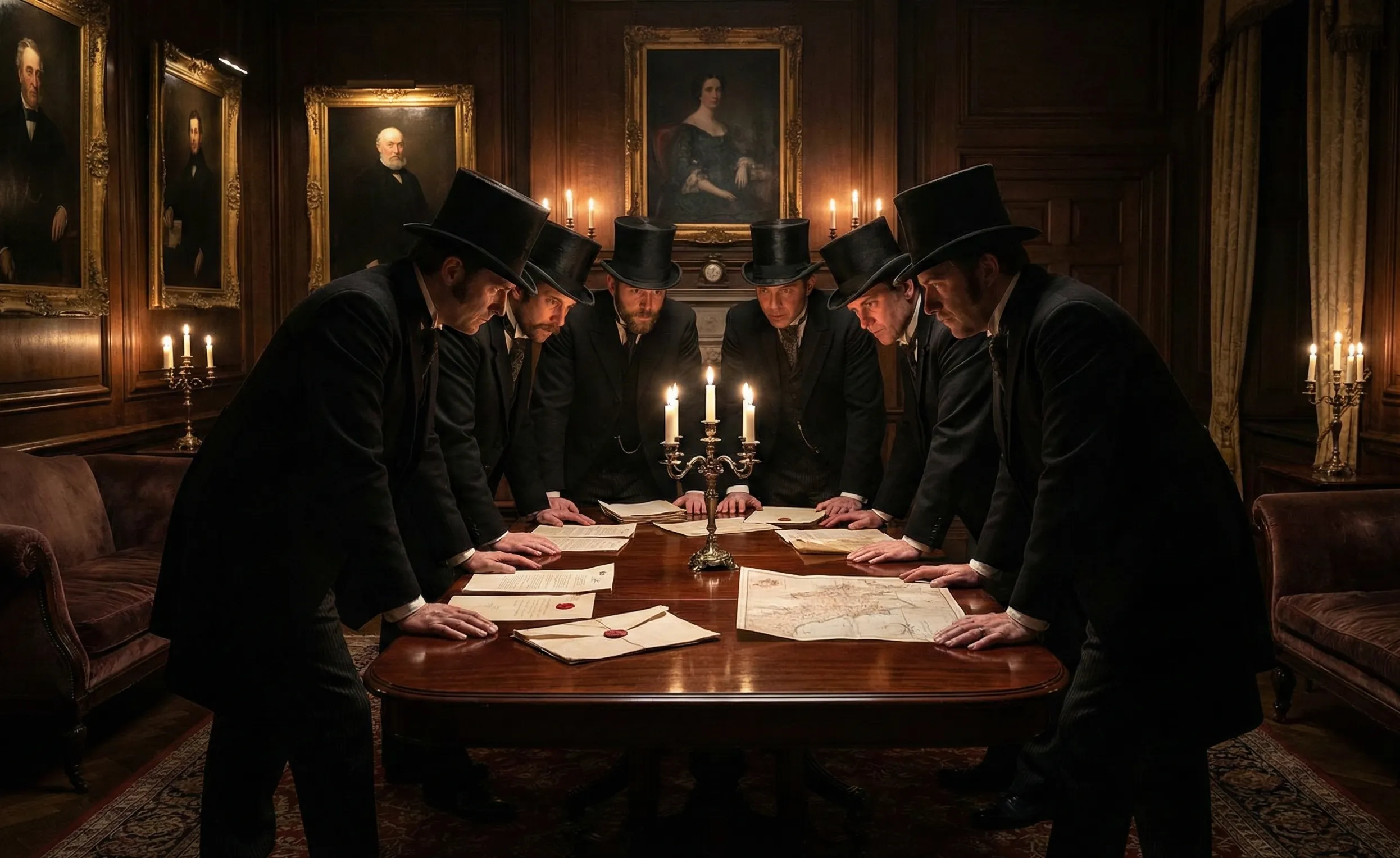
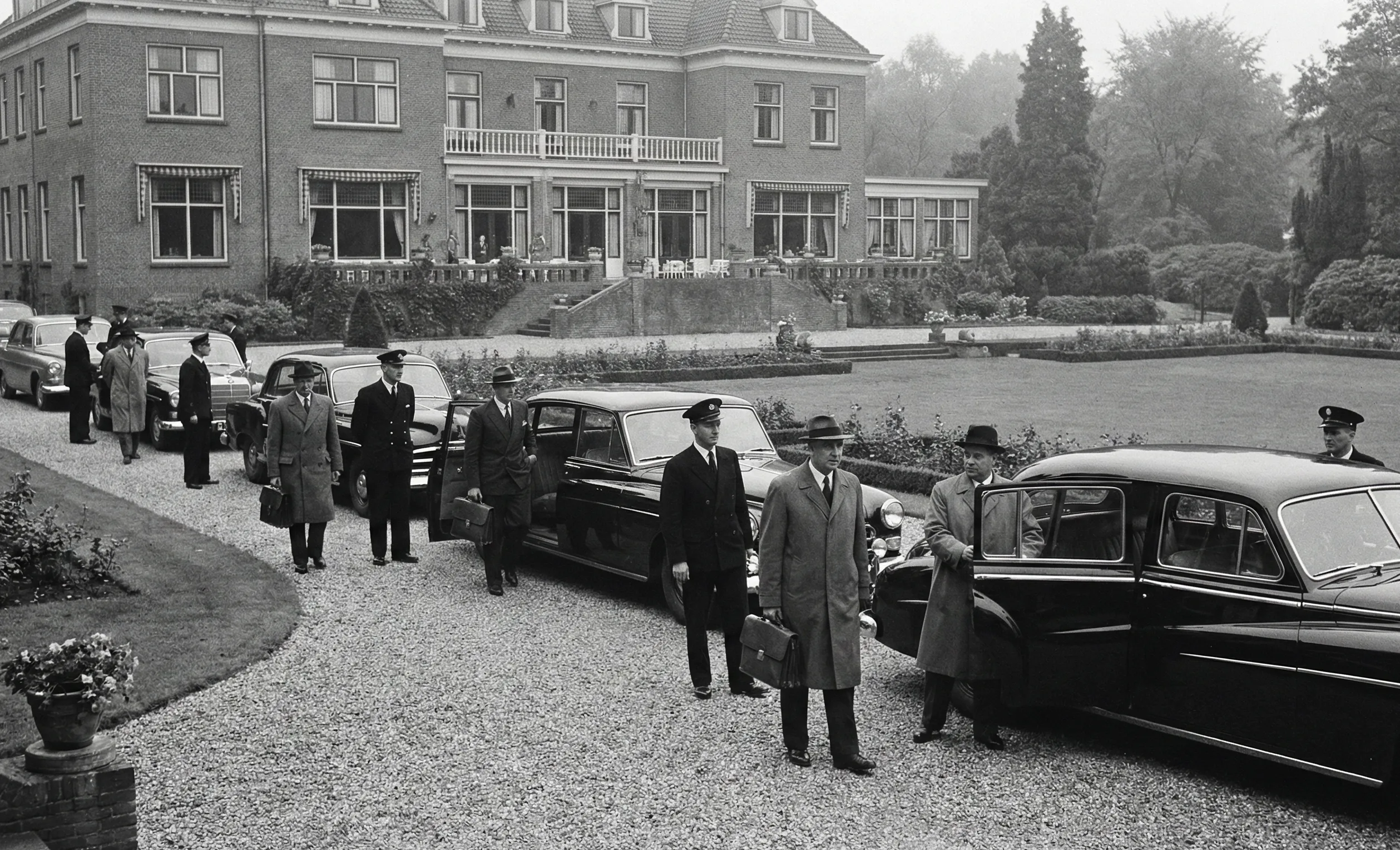
In May 1954, a group of influential Europeans and Americans gathered at the Hotel de Bilderberg in Oosterbeek, Netherlands. This meeting, organized amid Cold War tensions and European reconstruction, would establish a pattern of annual elite gatherings that continues today.
The initiative came from several sources. Prince Bernhard of the Netherlands provided royal patronage. Polish emigre politician Joseph Retinger contributed organizational energy. American and European business leaders supplied funding and legitimacy.
> The first Bilderberg meeting brought together people who believed that transatlantic cooperation required cultivation beyond official diplomatic channels.
The stated purpose was straightforward. Post war Europe faced the challenge of rebuilding while countering Soviet influence. American support was essential, but misunderstandings between American and European elites threatened the Western alliance. Private dialogue might bridge these gaps.
The conference format was innovative. No formal decisions would be made. No resolutions would be passed. Participants would speak under Chatham House rules, meaning they could share ideas freely knowing their remarks would not be attributed. This encouraged candor.
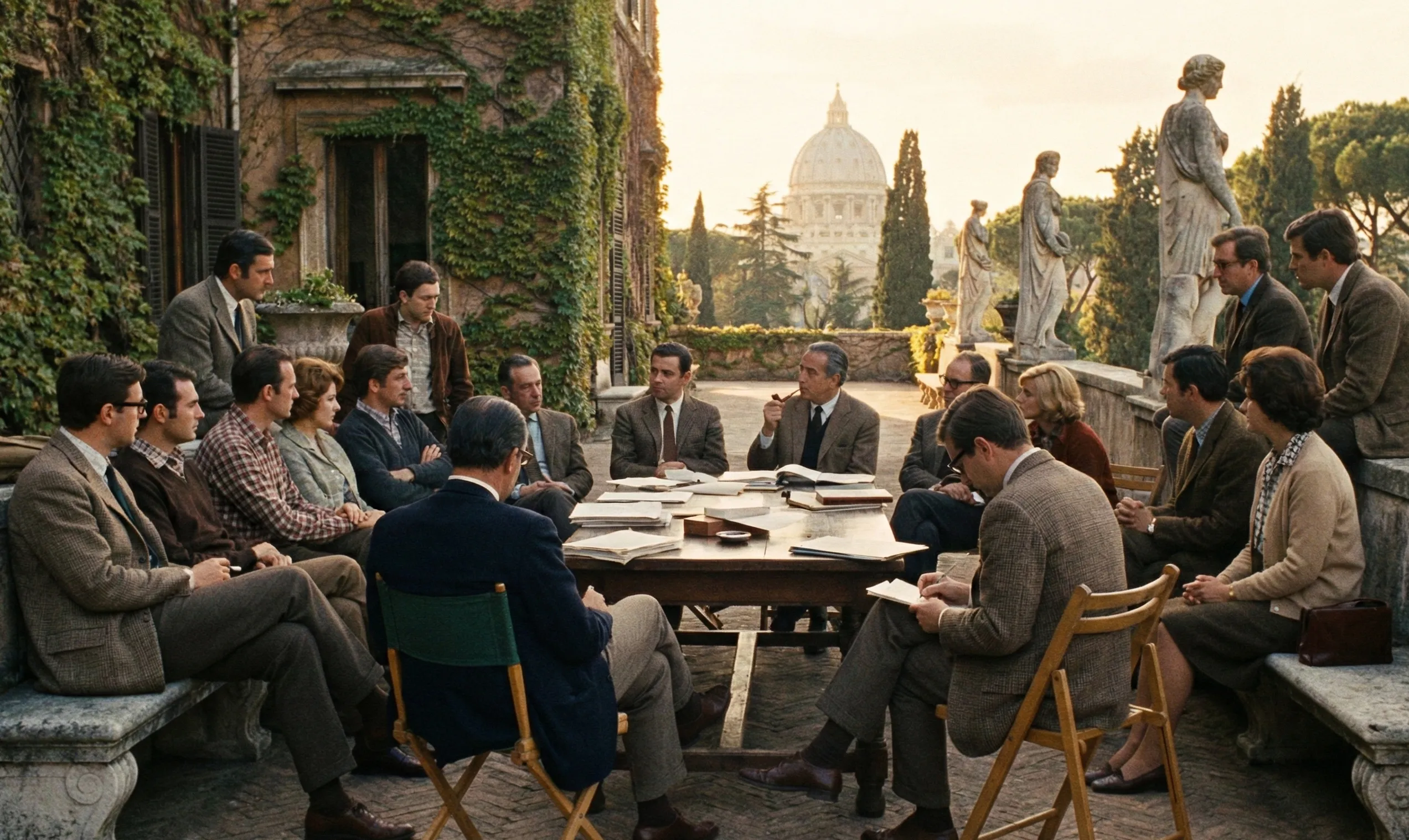
Approximately 80 participants attended the inaugural meeting. They included politicians, industrialists, academics, and media figures from NATO countries. The guest list established a pattern of mixing public and private sector leaders.
> The Bilderberg model combined exclusivity with diversity of perspective, bringing together people who might not otherwise meet.
The early meetings focused on immediate Cold War concerns. How could Western Europe resist communist influence? What role should America play? How could economic integration proceed without threatening national sovereignty? These questions animated discussions.
Prince Bernhard served as chairman until 1976, providing continuity and lending his prestige to the gatherings. His involvement also connected Bilderberg to older European aristocratic networks, adding another dimension to the meetings.
The secrecy that would later generate controversy began as practical necessity. Frank discussions required confidentiality. Participants needed assurance that off the record comments would not appear in newspapers. The privacy that enabled honest dialogue also fueled suspicion.
> What seemed like reasonable discretion to participants appeared as sinister secrecy to those excluded.
Throughout the 1950s and 1960s, Bilderberg expanded its scope and reach. Meetings rotated among different countries. The guest list grew to include figures from beyond the original Atlantic core. The informal network solidified into an established institution.
European integration featured prominently in early Bilderberg discussions. The creation of what would become the European Union aligned with ideas discussed at these meetings. Whether Bilderberg caused integration or merely reflected elite consensus remains debated.
Critics argue that policies discussed at Bilderberg subsequently appeared in government actions. The creation of the Euro, expansion of NATO, and various trade agreements have all been linked to Bilderberg discussions. Proving causation rather than correlation is difficult.
> The timing of Bilderberg discussions and subsequent policy changes provides circumstantial but not conclusive evidence of influence.
American participation ensured that Bilderberg connected to the largest economy and most powerful military in the non communist world. Names like David Rockefeller, Henry Kissinger, and various CIA figures appeared on attendance lists. This involvement heightened both the meetings' importance and the suspicions surrounding them.
The organization maintained minimal formal structure. There was no membership in the usual sense, only invitations to specific meetings. A small steering committee selected participants and set agendas. This informality contributed to flexibility but also to opacity.
The 1970s brought changes. Prince Bernhard resigned as chairman following the Lockheed bribery scandal, though his departure was not directly related to Bilderberg. New leadership took the organization forward while maintaining its essential character.
By the end of the Cold War, Bilderberg had held over 35 annual conferences. It had evolved from a response to immediate post war challenges into a permanent fixture of elite coordination. The questions it addressed changed, but the format persisted.
> Bilderberg demonstrated that institutions created for specific historical circumstances can outlive those circumstances by finding new purposes.
The historical record shows that Bilderberg brought together influential people for private discussions. What those discussions produced, whether shared perspectives, coordinated actions, or merely pleasant conversation, remains harder to determine. The secrecy that enabled the meetings also obscures their significance.
Related Articles