Content Disclaimer: This article contains speculative theories presented for entertainment. Readers are encouraged to form their own conclusions.
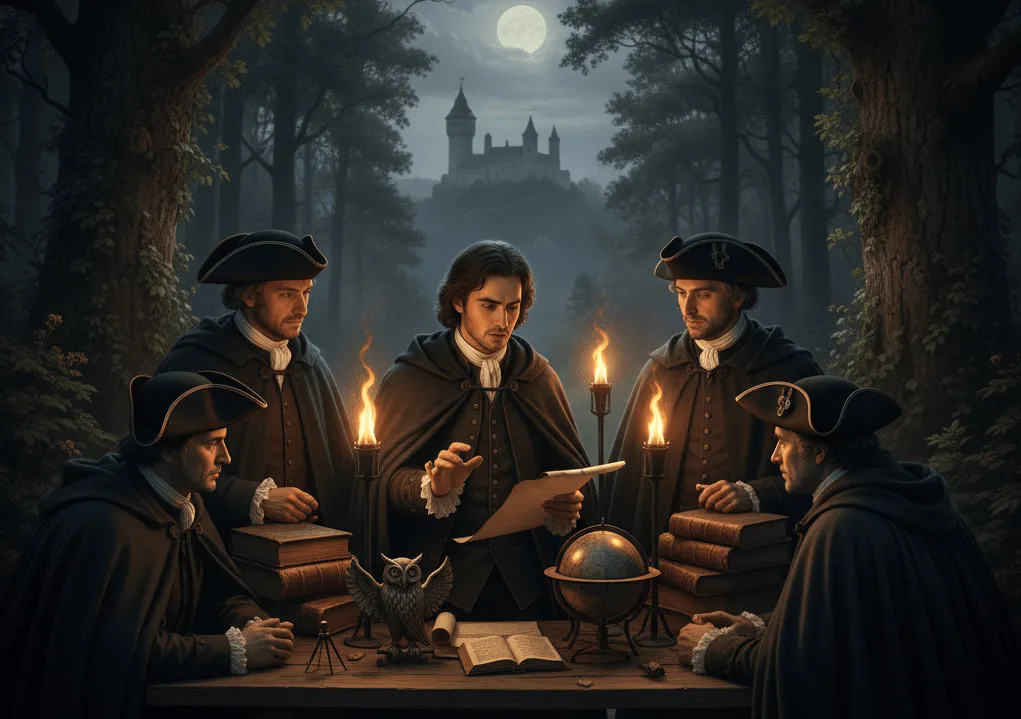
In 1832, a small group of Yale University students founded what would become America's most famous secret society. William Huntington Russell and Alphonso Taft created Skull and Bones after Russell returned from studies in Germany, allegedly inspired by secret societies he encountered there.
The organization took its name from the skull and crossbones symbol, an image with ancient associations to both piracy and mortality. From the beginning, it cultivated an atmosphere of mystery and exclusivity that would become central to its identity.
> Skull and Bones was born in an era when secret societies flourished at American universities, but none would achieve its reputation.
Each year, fifteen junior students were selected for membership. The choosing process, called tapping, occurred in a ritualized ceremony that made selection a matter of campus wide attention. To be tapped was to join an elite within an elite.
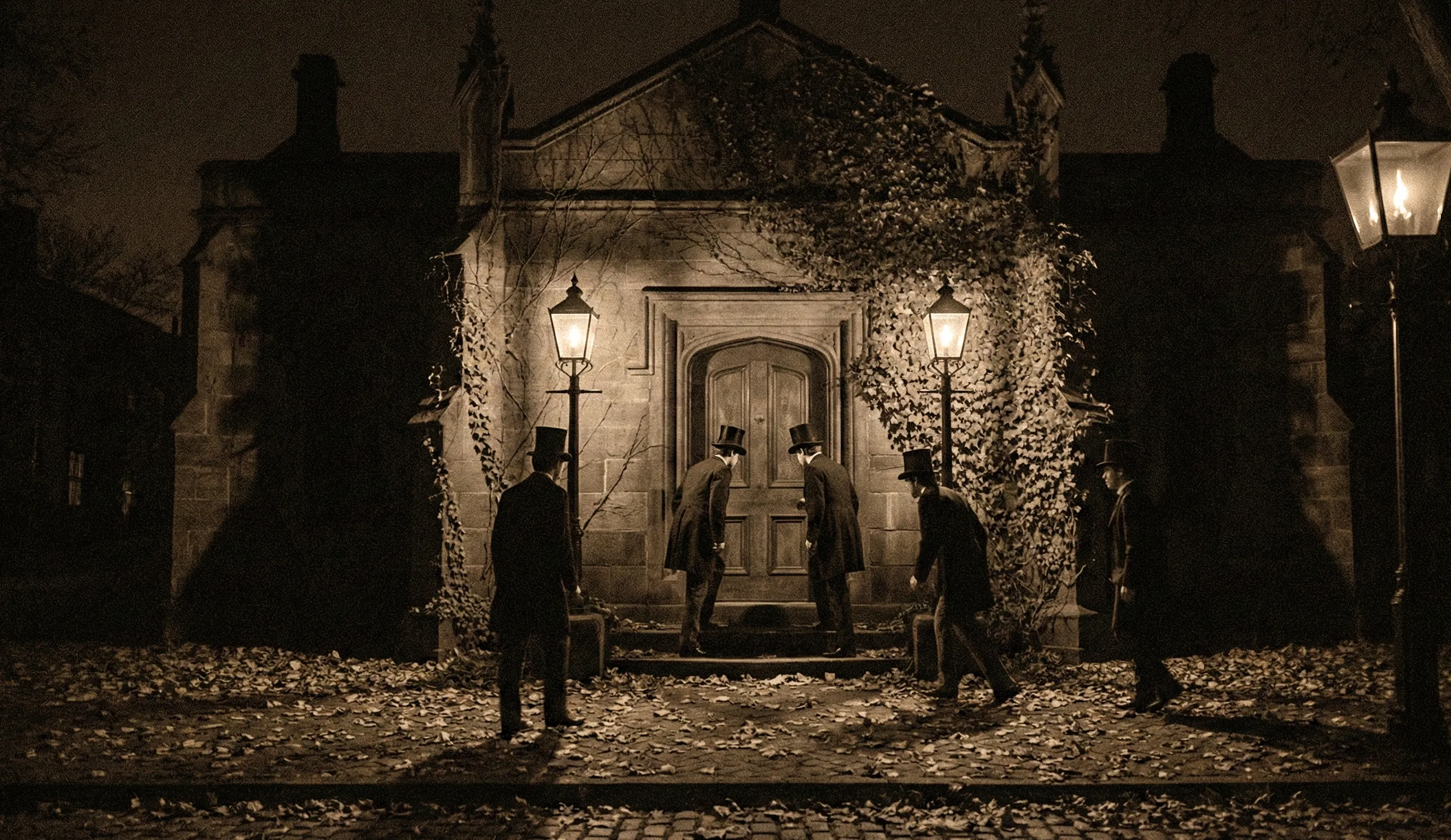
The society constructed a windowless building on the Yale campus in 1856. Known as the Tomb, this imposing brownstone structure housed the group's meetings and rituals. Its fortress like appearance communicated exclusivity and secrecy to all who passed.
What happened inside the Tomb remained unknown to outsiders. Members took oaths of secrecy that they reportedly honored throughout their lives. The rituals practiced there became subjects of endless speculation, ranging from the mundane to the macabre.
> The Tomb stands as one of America's most visible monuments to institutionalized secrecy.
The founding families of Skull and Bones came from the Anglo Saxon Protestant elite that dominated Yale and much of American society in the 19th century. Names like Russell, Taft, Whitney, and Bundy would recur through generations of membership.
Alphonso Taft's involvement proved particularly significant. His son William Howard Taft would become President of the United States and later Chief Justice of the Supreme Court, the only person to hold both offices. The Taft connection established a pattern of Bonesmen achieving highest political office.
The society's German connections sparked early speculation. Russell allegedly modeled the organization on German student societies, possibly including the Bavarian Illuminati or related groups. These claims remained unverified but added to the organization's mystique.
> From its inception, Skull and Bones attracted theories about foreign influence and hidden agendas.
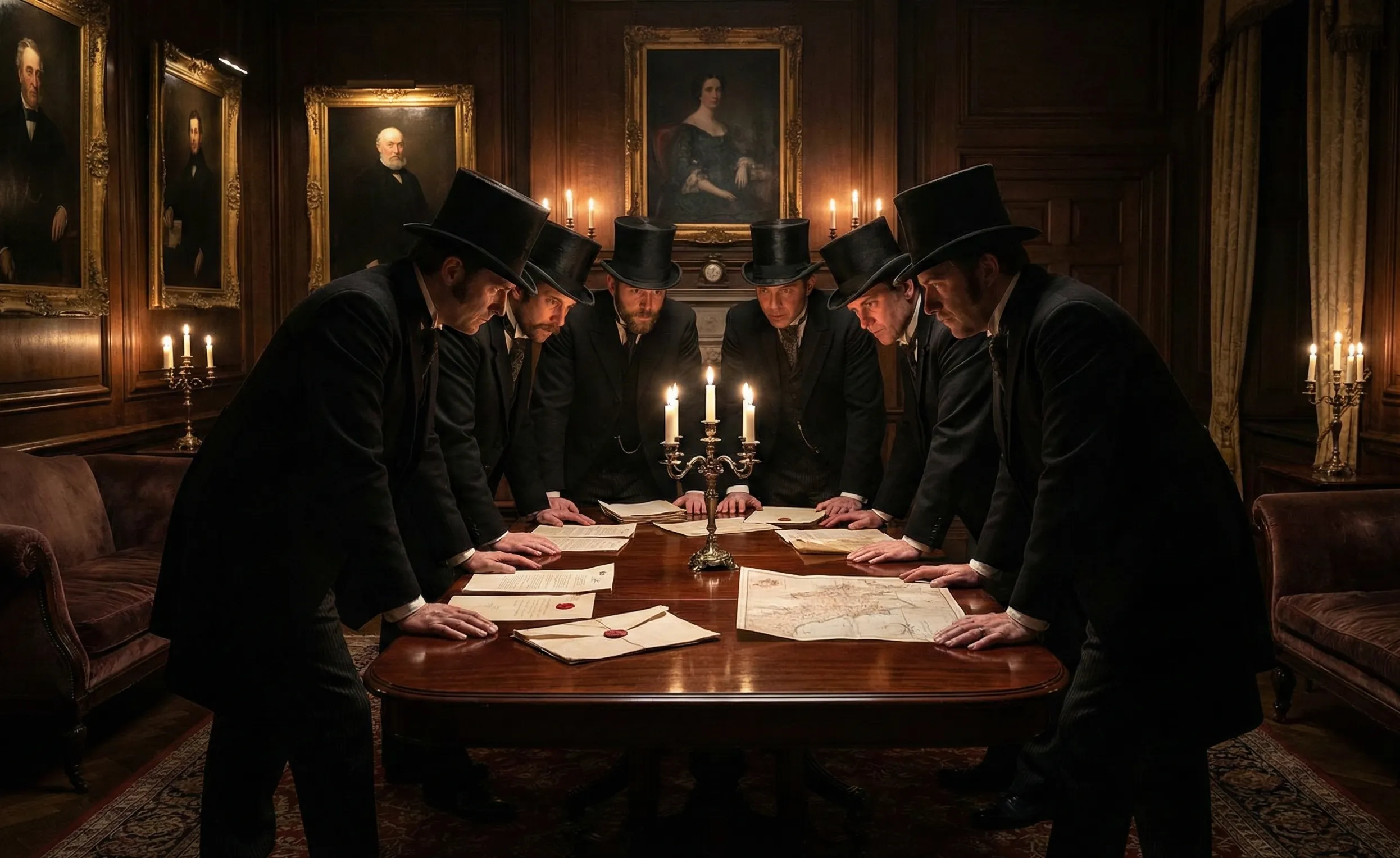
Throughout the 19th century, Skull and Bones built networks that extended far beyond the Yale campus. Members entered finance, law, politics, and industry, maintaining connections formed in college. The bonds of shared secrecy created loyalty that persisted through careers.
The Civil War generation of Bonesmen included soldiers on both sides of the conflict. After the war, these men moved into positions of power during the Gilded Age. They built railroads, founded banks, and shaped the emergence of American industrial capitalism.
The Russell Trust Association incorporated in 1856 to manage the society's affairs and assets. This legal entity owned the Tomb and administered the organization's finances. Its establishment indicated that Skull and Bones intended to persist as a permanent institution.
> The creation of a formal trust showed that founders expected the society to outlive any individual generation of members.
By the late 19th century, Skull and Bones had established itself as a finishing school for the American aristocracy. Membership conferred advantages in business and public life that transcended academic achievement. The society functioned as a gateway to networks of wealth and power.
The Harriman family's involvement added another dimension to Skull and Bones influence. The railroad fortune the Harrimans controlled gave them leverage across American industry. Prescott Bush, future member and patriarch of a political dynasty, would marry into this circle.
Media attention to the society remained limited during this era. Newspapers occasionally mentioned its existence, but investigative journalism about secret organizations was rare. The society benefited from an environment where elite privacy was largely respected.
> The press of the era generally deferred to established institutions in ways that later generations would find remarkable.
The 20th century would bring new scrutiny and new prominence to Skull and Bones. Wars, political scandals, and cultural changes would transform how Americans viewed elite secret societies. But the foundations laid in the 19th century would prove durable.
The society had created something unusual in American life: an organization openly secret, visibly exclusive, and demonstrably connected to power. This combination would fuel controversy for generations while the society itself remained characteristically silent.
Related Articles