Content Disclaimer: This article contains speculative theories presented for entertainment. Readers are encouraged to form their own conclusions.
In the heart of Enlightenment-era Europe, a law professor named Adam Weishaupt harbored a radical dream. He had been trained in jurisprudence but found himself drawn to ancient mystery schools and the forbidden knowledge they supposedly contained. Yet what troubled him more than any occult secret was something visible to anyone willing to look: the chains binding ordinary people.
The Church and monarchy had formed an alliance of convenience. Together they categorized humanity into elites and commoners, suppressed knowledge, and maintained control through fear and dogma. Weishaupt studied the philosophers of his age: Locke, Voltaire, Kant. He read about ancient democracies and republican ideals. And he became convinced that another world was possible.
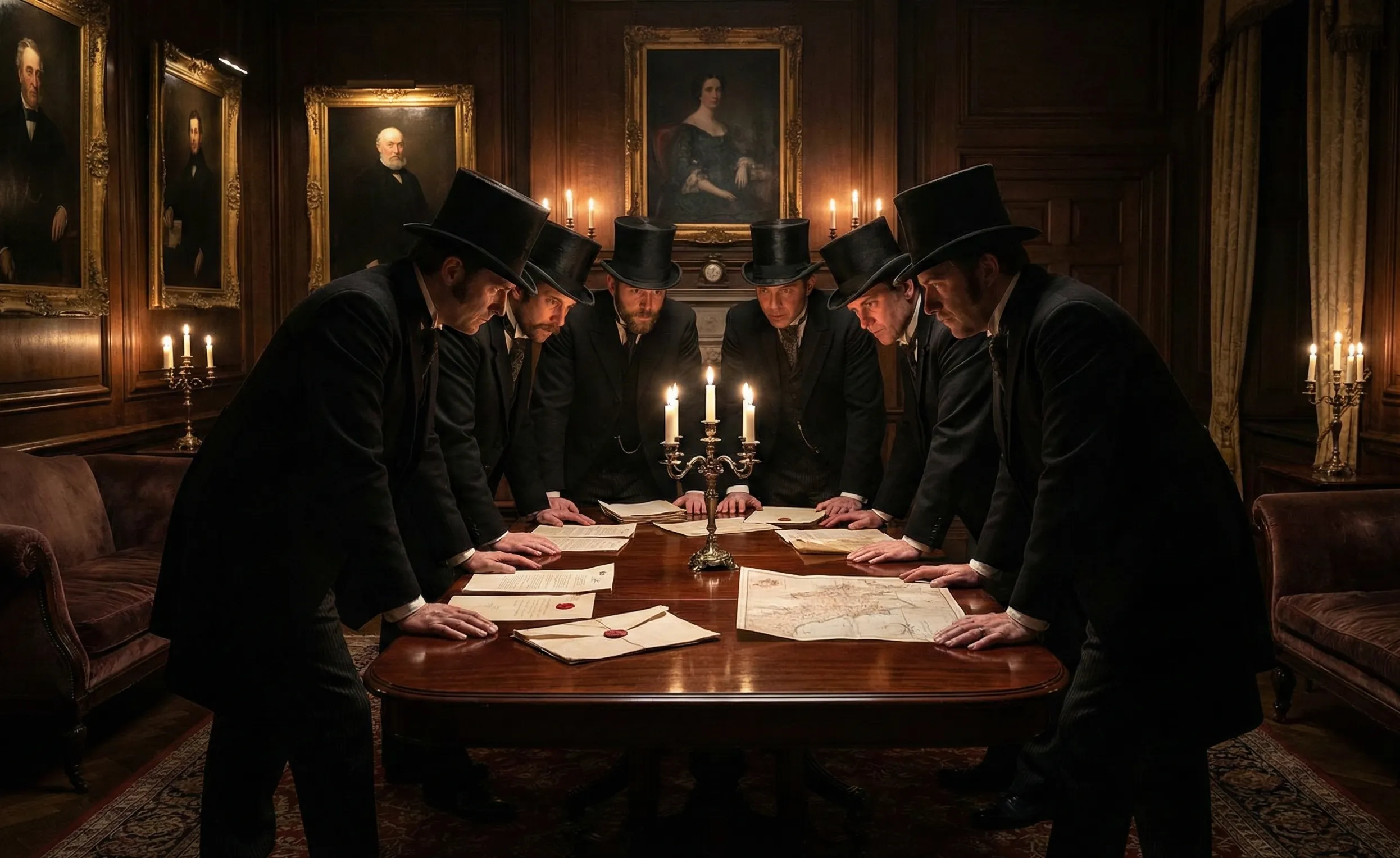
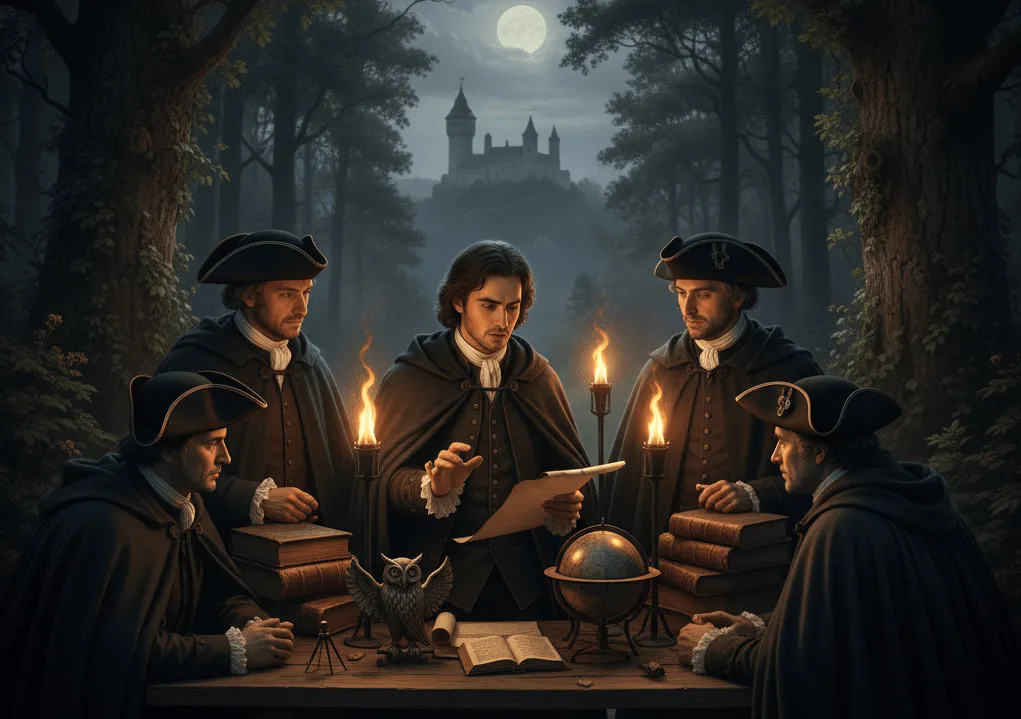
On May 1, 1776, Weishaupt gathered four trusted colleagues in secret. Together they founded what they called the Order of the Illuminati, from the Latin "illuminatus," meaning "enlightened." The name was meant to signal their intent: to bring light where there was darkness, reason where there was superstition.
Their initial goals were modest. They wanted to discuss forbidden ideas without being arrested or executed. They wanted to spread knowledge of science, equality, and rational government. They wanted, eventually, to reform Bavaria into something more humane.
Weishaupt organized the group into three levels, borrowing from Freemasonry's structure. The first two levels taught Enlightenment philosophy. Members studied ethics, history, and logic. But the third level introduced something the state considered dangerous: the concept of revolution. Not violent uprising, but the systematic dismantling of authoritarianism through education and infiltration of existing power structures.
Their symbol was not the all-seeing eye of later conspiracy theories. It was the Owl of Minerva, the Greco-Roman emblem of wisdom. Members used coded language and symbolic gestures, necessary precautions in an era when their ideas could mean death.
Weishaupt's network grew carefully. Doctors joined. Engineers. Scientists. Politicians who quietly opposed the monarchy. They infiltrated Masonic lodges, not to corrupt them but to recruit like-minded members. They gained access to printing presses and began circulating pamphlets on radical topics: the equality of women, the separation of church and state, the importance of scientific inquiry.
For nearly a decade, the Illuminati operated in shadows. They planted seeds, knowing they might not live to see the harvest. But their success made them visible, and visibility made them vulnerable.
Weishaupt made a fatal error. In his zeal to spread Enlightenment ideals, he alienated the very Freemasons whose networks had helped him grow. He also underestimated how threatening his ideas were to those in power. When you propose that kings have no divine right and that the Church should not govern, you make enemies of both throne and altar.
In 1784, Karl Theodor, Elector of Bavaria, received detailed intelligence about the Illuminati. Someone had talked, or been tortured, or simply decided the risk was too great. The response was swift.
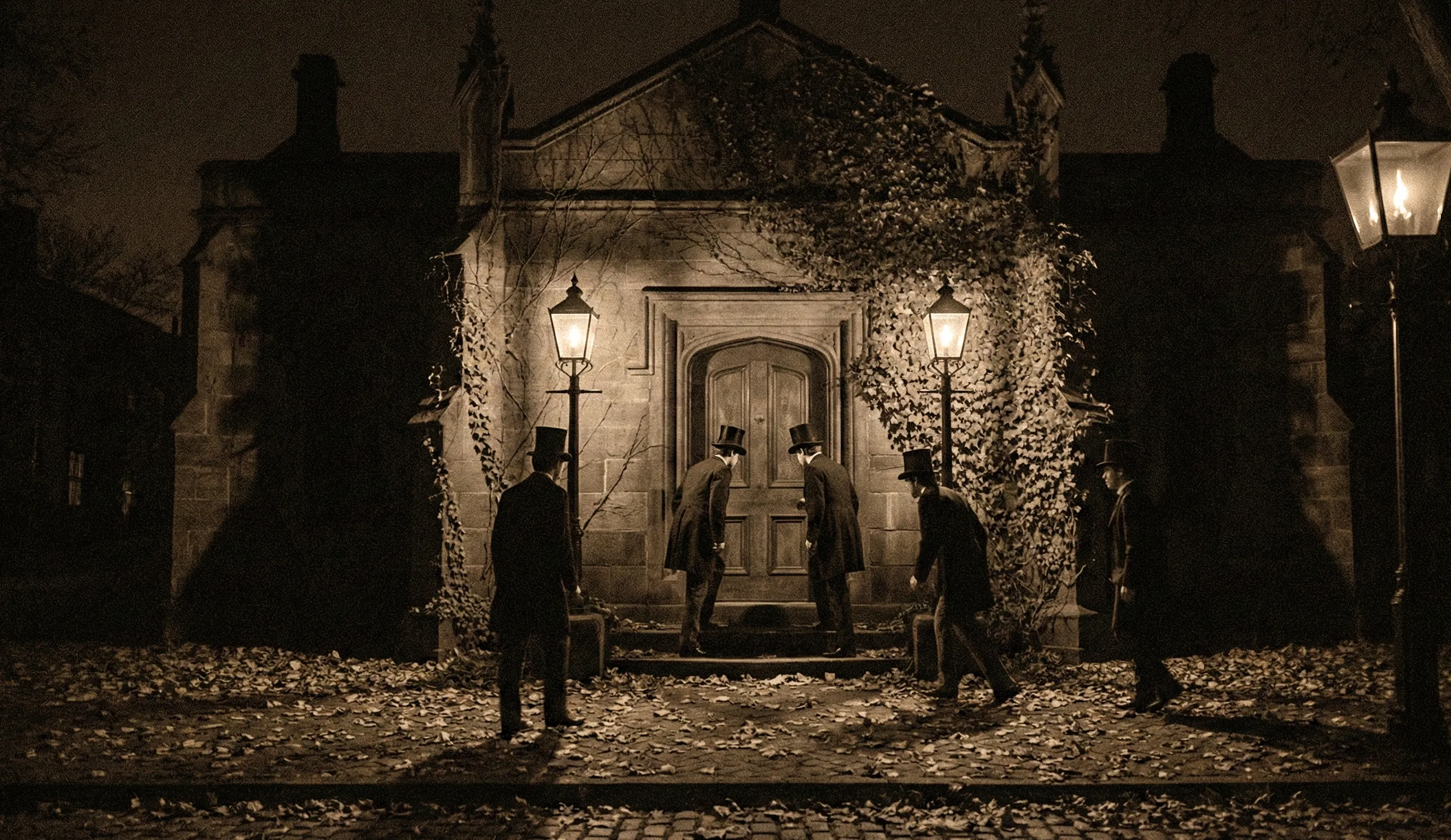
Meeting places were raided across Bavaria and beyond. Members were arrested and interrogated. Some were executed. All documents, correspondence, private journals, and organizational records were seized and publicly released. The Bavarian government wanted to make an example: this is what happens to those who question the order of things.
Adam Weishaupt was exiled. He fled to Gotha, in what is now Thuringia, and spent the rest of his life in relative obscurity. He continued to write, but his influence was gone. He died in 1830, forty-six years after his order was destroyed.
The Illuminati, which at its peak had reached about 2,500 members, existed for only nine years. They never controlled governments. They never orchestrated revolutions. They never came close to achieving their vision of an enlightened society. They were crushed before they could accomplish even their most basic objectives.
And yet, paradoxically, their greatest influence would come not from what they did, but from what people would later imagine they had done.
Related Articles