Content Disclaimer: This article contains speculative theories presented for entertainment. Readers are encouraged to form their own conclusions.
The Priory of Sion as it appears in popular culture never existed as a medieval organization. It was created in 1956 by a French draftsman named Pierre Plantard and several associates. The elaborate history attributed to it was fabricated from whole cloth.
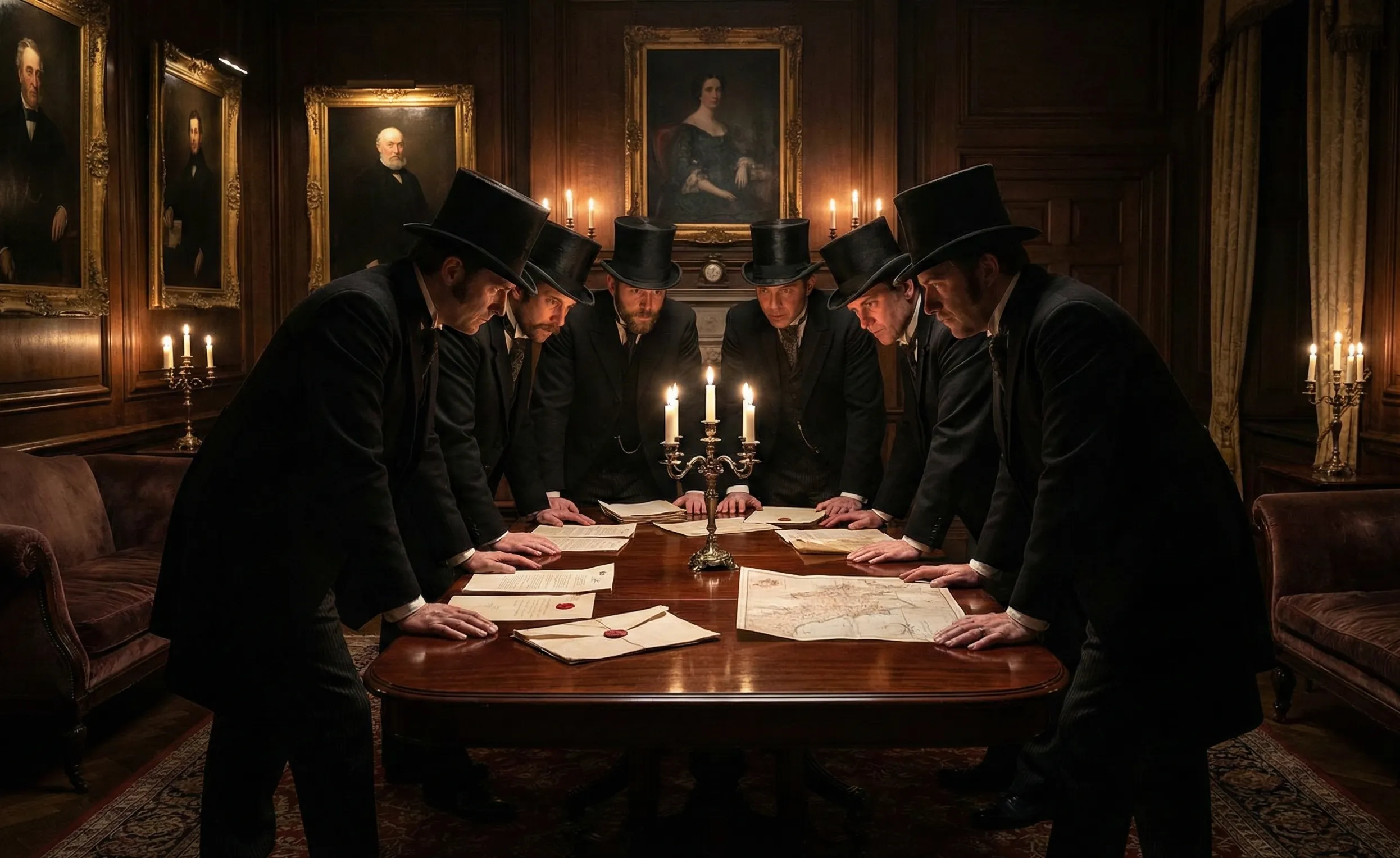
Plantard registered the Priory of Sion as a small social club in the French town of Annemasse. The official purpose was to promote low cost housing. Four founding members signed the registration documents. Nothing about this modest beginning suggested what would follow.
> The gap between the documented founding and the claimed history represents one of the most successful hoaxes of the 20th century.
Plantard had a history of creating organizations with grandiose names and purposes. In the 1940s he had founded Alpha Galates, claiming ancient heritage and secret knowledge. That organization went nowhere. The Priory of Sion would prove more successful.
Throughout the 1960s, Plantard and his collaborators created documents purporting to show the Priory's ancient origins. These fabricated materials were deposited in the Bibliotheque Nationale in Paris, where they could be discovered by researchers.
The false documents claimed that the Priory dated to 1099, founded by Godfrey of Bouillon after the First Crusade. They listed Grand Masters including Leonardo da Vinci, Isaac Newton, and Victor Hugo. They asserted the Priory guarded a secret about Jesus Christ's descendants.
> The forged documents were elaborate enough to fool researchers who did not investigate their provenance carefully.
The deposits included genealogies purporting to show descent from the Merovingian kings of France. Plantard positioned himself as heir to this lineage, claiming royal blood and the right to rule France.
A cure in the village of Rennes le Chateau provided crucial material for the myth. Berenger Sauniere had allegedly discovered parchments in his church that revealed the Priory's secrets and led to hidden treasure. This story, though disputed, added local color and mystery.
In 1969, the magazine Charivari began publishing material about Rennes le Chateau and the supposed treasure. This brought the story to wider attention. The mystery grew as more people investigated the village and its eccentric priest.
> Each retelling added embellishments that became incorporated into subsequent versions.
Henry Lincoln, a British television screenwriter, became fascinated by the Rennes le Chateau story. He produced BBC documentaries exploring the mystery. His investigations led him to the Priory of Sion documents in the Bibliotheque Nationale.
Lincoln collaborated with Michael Baigent and Richard Leigh to produce The Holy Blood and the Holy Grail, published in 1982. This book presented the Priory of Sion as a genuine ancient organization guarding the secret of Jesus's marriage to Mary Magdalene and their descendants.
The book became an international bestseller. It presented speculation as fact, treated forged documents as genuine evidence, and constructed an elaborate narrative that captivated readers. The Priory of Sion myth reached its largest audience yet.
> The success of the book demonstrated that compelling narrative can overwhelm factual accuracy.
Plantard initially supported the book's claims but later distanced himself from some of its more extreme elements. He continued asserting Merovingian descent while denying claims about Jesus's bloodline that others had attached to his fabrications.
By the 1990s, researchers had thoroughly debunked the Priory of Sion. Philippe de Cherisey, one of Plantard's collaborators, admitted forging key documents. French television exposed the fabrication. Plantard himself, under oath in court proceedings, admitted the membership lists were false.
> The hoax was definitively exposed by the same country where it originated, though the exposure received far less attention than the original claims.
The revelation that the Priory was a modern hoax did little to diminish its appeal. The story had taken on a life of its own. Believers dismissed the debunking as cover up. New researchers continued finding evidence to support what they wanted to find.
The myth had become self sustaining, no longer dependent on Plantard or his documents. It existed as a narrative that people wanted to believe, resistant to factual correction. This persistence revealed something about the psychology of belief and the appeal of secret history.
Related Articles